How Long Must an HOA Keep Meeting Minutes? (Records Retention Guide)
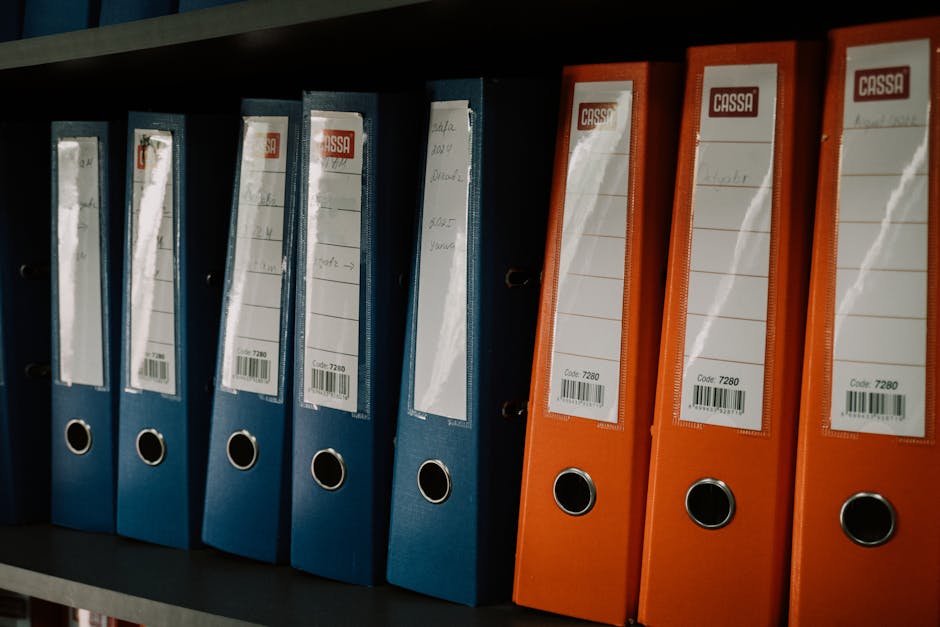
Meeting minutes are permanent legal records of your association's decisions, and most state HOA laws require boards to keep them — often for many years, and in many states, permanently. Here's what retention actually requires and how to stay compliant without drowning in paper.
The short answer
Retention periods vary by state, but the safe, widely recommended standard is to keep board and annual meeting minutes permanently. Minutes are cheap to store and invaluable if a decision is ever questioned — there is rarely a good reason to destroy them.
Typical retention periods by record type
- Meeting minutes — permanently (or the longest period your state specifies; commonly 7+ years at minimum).
- Financial records — often 7 years.
- Contracts — for the life of the contract plus several years.
- Governing documents (declaration, bylaws, rules) — permanently.
- Tax returns — typically 7 years.
Always confirm against your state statute and your bylaws, which control.
Owners' right to inspect minutes
In most states, owners have a legal right to inspect association records — including meeting minutes — on reasonable request. That means your minutes must be:
- Findable — organized by date so you can produce any meeting quickly.
- Complete — every meeting accounted for, with no gaps.
- Appropriately redacted — confidential executive session minutes are generally exempt from open inspection.
How to store minutes safely
- Go digital. Paper gets lost in board-member garages during turnover. A digital archive survives changes in leadership.
- Keep approved versions. Only board-approved minutes are the official record — store those, clearly dated.
- Back them up. Two copies in two places.
- Make handoff easy. When the secretary changes, the full archive should transfer in seconds, not boxes.
A permanent archive, automatically
HOA Board Minutes keeps every meeting's approved minutes in one organized, searchable place — so retention, owner requests, and board turnover stop being a filing problem. Create a free account to get started.
Related articles
A.R.S. 33-1804: Arizona HOA Board Meetings — 48-Hour Notice, the Five Executive Session Grounds, and the New Ban on Closed-Session Votes
A.R.S. 33-1804: Arizona HOA board meetings are open, notice and agenda run 48 hours ahead, and from Sept. 12, 2026 no board may vote in closed session.
Executive Session Under RCW 64.90.445(2)(b): The Five Grounds, and What a Washington Board Can't Do Behind the Door
RCW 64.90.445(2)(b): the five executive session grounds a Washington HOA board may use, why no vote may be taken there, and what the minutes must show.
No, You Don't Have to Sit in Silence for 15 Minutes — RCW 64.90.445(2)(e) Explained
RCW 64.90.445(2)(e) explained: the 15 minutes is reserved time, not a silence timer. The 90-second floor, the 10-owner exception, and what goes in minutes.